
Vinyl Banner or Fabric? Choosing an Adjustable Telescopic Display
Vinyl Banner or Fabric? Choosing an Adjustable Telescopic Display
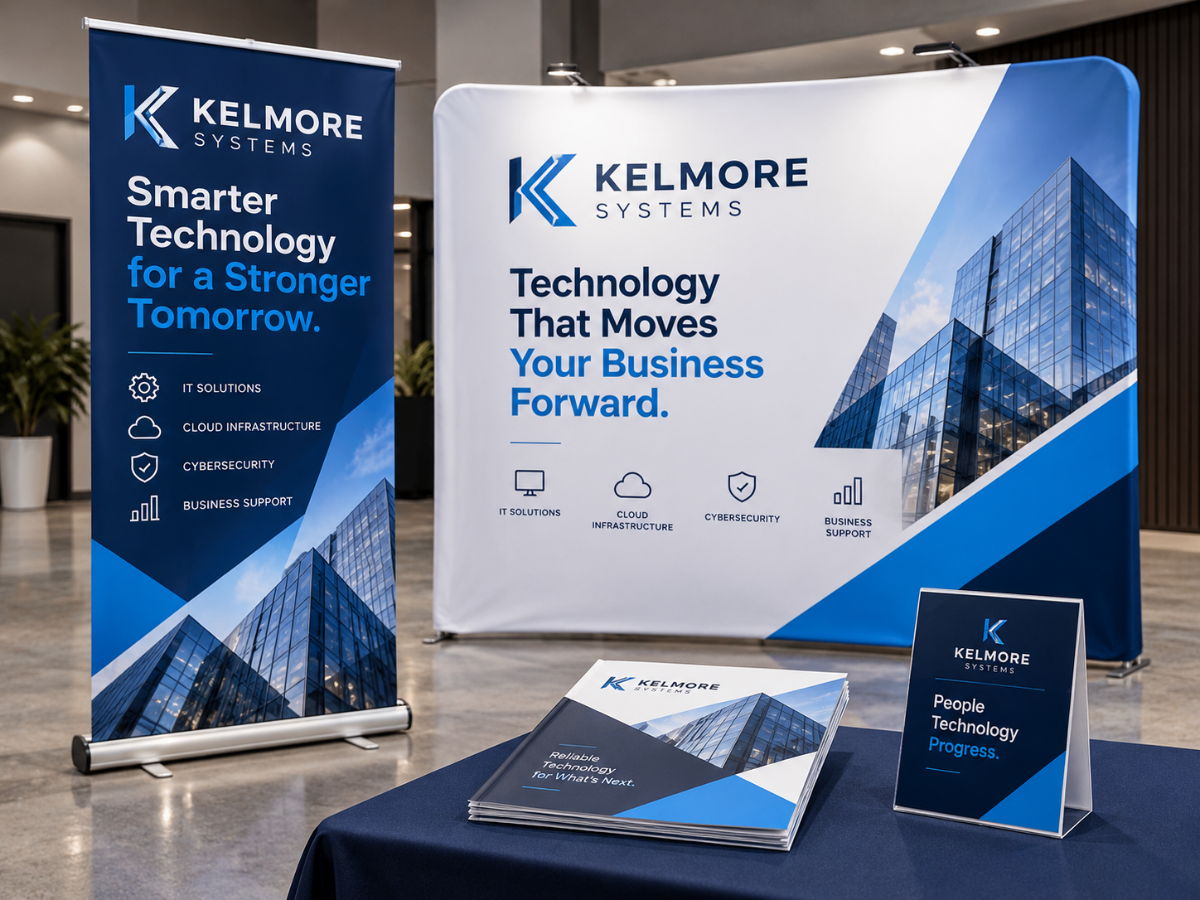
When the frame is adjustable, the bigger decision is often the graphic itself. Vinyl creates a familiar banner-style display with a practical large-format surface, while fabric creates a softer fitted presentation. Choose the material around the visual style, event environment and how you expect to use the display.
Not every event backdrop needs a fixed-size media wall.
Some businesses need a display that can adapt to different spaces.
One event may provide a compact booth.
The next may offer a wider stage or presentation area.
An adjustable telescopic frame can help solve that problem by allowing the graphic system to work across several listed sizes.
Pryntco currently offers two closely related products:
Adjustable Telescopic Banner Display using 13 oz vinyl and an Adjustable Telescopic Fabric Display using a fabric graphic.
Both currently list sizes from 60" × 60" through 118" × 118".
The real choice is therefore not simply “which one is bigger?”
It is how you want the backdrop to look and behave.
1. What Is an Adjustable Telescopic Display?
It is a large-format display built around a frame whose width and height can be adjusted within supported configurations.
That makes it useful for:
- Trade shows
- Events
- Presentations
- Photo areas
- Promotional spaces
2. What Is the Main Difference Between the Vinyl and Fabric Versions?
The printed graphic material.
Pryntco’s current banner version uses 13 oz vinyl.
The fabric version uses a custom fabric graphic.
That changes the surface appearance and overall presentation even though both use an adjustable telescopic-frame concept.
3. Do Both Current Products Offer the Same Listed Size Range?
Yes.
Pryntco currently lists both versions from:
- 60" × 60"
- 72" × 72"
- 84" × 84"
- 96" × 96"
- 108" × 108"
- 118" × 118"
Always verify the live configuration when ordering.
4. Why Would a Business Choose Vinyl?
Vinyl provides the familiar appearance of a large printed banner combined with an adjustable display frame.
It can be a straightforward choice for:
- Promotional backdrops
- Event branding
- Presentations
- Trade-show displays
5. Why Would a Business Choose Fabric?
Fabric provides a softer visual surface than conventional banner material.
It can suit businesses that want the large backdrop to feel more like a finished display graphic than a traditional hanging banner.
6. Which One Looks More Like a Traditional Banner?
The vinyl version.
Its 13 oz vinyl graphic creates the more familiar large-format banner appearance.
That can be completely appropriate when the priority is clear, practical event messaging.
7. Which One Looks Softer in a Branded Space?
The fabric version generally creates the softer visual presentation.
This may work naturally for:
- Corporate events
- Photo areas
- Presentations
- Branded interiors
8. Does Fabric Automatically Mean Better?
No.
The better display is the one that fits the environment and campaign.
A vinyl backdrop may be exactly right for a temporary promotion.
A fabric display may better suit another brand’s preferred aesthetic.
9. Does Vinyl Automatically Mean More Durable?
Do not make broad durability assumptions beyond the actual product information.
Pryntco describes the vinyl option as using durable 13 oz vinyl, but real-world lifespan still depends on:
- Handling
- Storage
- Use environment
- Setup practices
10. Which One Is Better for Photography?
Either can work.
Fabric may create a softer visual background, while vinyl can provide bold, direct graphics.
Photography quality also depends heavily on:
- Lighting
- Artwork
- Camera angle
- Distance between subject and backdrop
11. Which One Is Better for a Trade Show Booth?
Both are positioned for trade-show use.
Choose based on the booth presentation.
A practical promotional booth may be well served by vinyl.
A cleaner fabric-led booth may benefit from the fabric display.
12. Which One Is Better for a Corporate Presentation?
Fabric may suit a presentation environment where the backdrop should feel visually integrated into the stage or room.
Vinyl can still work well when strong campaign graphics or temporary messaging are more important.
13. Which One Is Better for a Temporary Promotion?
Vinyl can be a practical choice when the display is closely tied to one short campaign.
However, the most important question is whether the frame and graphic will be reused.
A temporary message should not be built permanently into every reusable booth component.
14. Which One Is Better for an Evergreen Brand Backdrop?
Either can work, but fabric may suit brands seeking a cleaner, softer long-term backdrop aesthetic.
Keep evergreen artwork focused on:
- Logo
- Core brand colours
- Short positioning line
rather than temporary dates or offers.
15. Why Is an Adjustable Frame Useful?
Event spaces are not always identical.
An adjustable system can provide flexibility when the business needs different supported dimensions for different setups.
That can reduce the need for a completely unrelated display system at every event.
16. Does One Graphic Automatically Fit Every Frame Size?
No.
Even when the frame is adjustable, the graphic itself must fit the selected configuration.
Do not assume one printed graphic can simply stretch between every listed size.
Confirm the graphic requirement for the exact setup.
17. Should the Artwork Be Designed for One Primary Size?
Yes.
Choose the intended finished display size first.
Then prepare the artwork for that format.
If the business expects to use another size later, plan a corresponding artwork version rather than blindly scaling the original.
18. Can the Same Design Be Adapted Across Several Sizes?
Yes.
Keep the same:
- Logo
- Typography
- Photography
- Colour system
while adjusting spacing and composition to the new dimensions.
19. How Much Information Belongs on a Telescopic Backdrop?
Very little compared with a brochure.
Prioritize:
- Brand name
- Main message
- Strong visual
Visitors should understand the backdrop while walking past.
20. Should Contact Information Be Included?
Only when it remains large and useful.
A short website may work.
A complete address, three phone numbers, email and several social handles usually create unnecessary clutter.
21. Should a QR Code Go on the Backdrop?
Only when people can comfortably scan it.
For many booths, a small tabletop card or brochure provides a better QR-code surface because the visitor can stand closer.
22. How High Should the Main Logo Sit?
High enough that furniture and people do not consistently block it.
Think about:
- Trade-show table
- Product shelves
- Speakers
- Guests posing for photos
before choosing the final logo position.
23. Should Artwork Run to the Edges?
Use the actual Pryntco template and design requirements for the selected graphic.
Background imagery can often extend through the full visual area, while critical logos and wording should remain inside safe zones.
24. Should Fine Text Be Used?
No.
A large backdrop is viewed at distance.
Small copy is both difficult to read and visually distracting.
Use print materials closer to the visitor for detailed information.
25. Can a Telescopic Display Be Used as a Step-and-Repeat?
Yes when the size and artwork support it.
Keep logos large enough to remain visible behind guests and avoid creating a pattern so dense that it becomes visual noise.
26. Can It Be Used Behind a Speaker?
Yes.
Plan the artwork around:
- Speaker height
- Podium
- Camera framing
- Lighting
The main logo should remain visible in photographs and video.
27. Can It Be Used Behind a Product Display?
Yes.
A restrained branded background can help products stand out.
Avoid detailed backdrop graphics that compete with the products in front.
28. Should the Backdrop Match Other Booth Materials?
Yes.
Coordinate it with:
- Table cover
- Retractable banner
- Flyers
- Business cards
without copying the exact same layout across every item.
29. Which One Is Easier to Integrate With a Fabric-Heavy Booth?
The fabric version naturally complements other fitted fabric displays and table covers because the surface treatment feels related.
That does not mean the booth needs to use fabric everywhere.
Mix materials only when the visual system still feels intentional.
30. Which One Is Easier to Integrate With Vinyl Banners and Signs?
The vinyl version can feel visually consistent with other banner-style graphics.
This may suit a promotion-focused setup that already uses vinyl signage.
31. Should the Graphic Be Designed for Reuse?
Yes when the business attends several events.
A reusable backdrop should avoid:
- One-event dates
- Temporary prices
- Short-term promotions
Those details can be handled by smaller replaceable pieces.
32. How Should the Display Be Stored?
Follow the current product and frame handling guidance.
Before packing, make sure the printed graphic is clean and dry and avoid careless folding or crushing.
Good storage helps preserve the display between events.
33. Should Setup Be Tested Before the Event?
Yes.
Do not make the first full setup happen on the trade-show floor.
A test lets the team confirm:
- Frame configuration
- Graphic fit
- Artwork orientation
- Final height and width
34. How Should a Business Choose the Size?
Start with the event space.
Measure:
- Available width
- Available height
- Furniture position
- Visitor path
Then choose from the current supported display sizes.
35. What Should Be Checked Before Ordering?
Confirm:
- Vinyl or fabric graphic
- Selected size
- Artwork dimensions
- Frame configuration
- Event footprint
- Logo placement
- Reuse plan
36. What Are the Most Common Vinyl Telescopic Display Mistakes?
Common problems include:
- Using too much text.
- Treating the banner like a giant flyer.
- Printing short-lived information on a reusable setup.
- Assuming one graphic fits every supported frame size.
- Failing to test the setup before the event.
37. What Are the Most Common Fabric Telescopic Display Mistakes?
Common problems include:
- Choosing fabric only because it sounds more premium.
- Using artwork not prepared for the selected dimensions.
- Putting important information too low behind furniture.
- Overcrowding a visually clean fabric surface.
- Ignoring how the backdrop will appear in photos.
38. Should You Choose a Telescopic Vinyl Banner or Fabric Display?
Choose the vinyl banner version when a familiar large-format banner surface fits the event and campaign.
Its current 13 oz vinyl graphic makes it a straightforward option for trade shows, promotions, event backdrops and presentation spaces.
Choose the fabric version when the softer fabric appearance better matches the brand or environment.
It can work especially well for presentation spaces, photo areas and booths already using other fabric display pieces.
The adjustable frame concept gives both systems useful flexibility, but that does not mean every graphic is interchangeable across every size.
Choose the intended dimensions first, design for that exact configuration and keep the backdrop message simple enough to understand from a distance.
Pryntco currently lists both the Adjustable Telescopic Banner Display and the Adjustable Telescopic Fabric Display from 60" × 60" through 118" × 118".
For help planning a larger event system, review Pryntco’s Trade Show & Displays collection or contact Pryntco.

