Building a Better Fundraising Print Package for Your Nonprofit
Building a Better Fundraising Print Package for Your Nonprofit
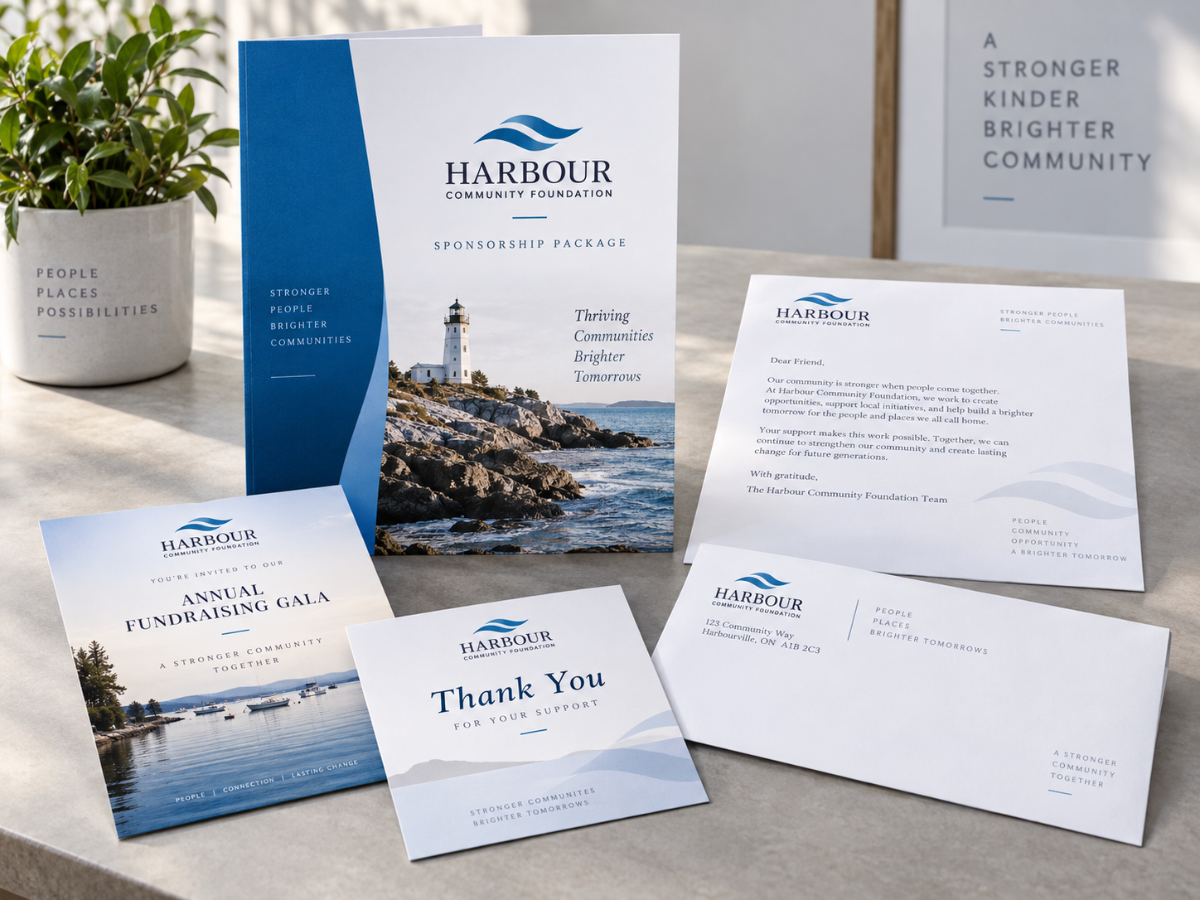
A strong nonprofit print package should make it easy for supporters to understand three things: what the organization is working toward, why their support matters and what they can do next. Fundraising letters, sponsorship packages, event materials and thank-you pieces should support that journey instead of competing for attention.
Nonprofits often print for several very different audiences.
A donor may receive a fundraising letter.
A corporate sponsor may receive a presentation folder.
An event guest may receive an invitation and ticket.
A volunteer may receive program information.
A community member may see a poster, banner or table display.
The challenge is not creating more materials.
It is building a print system where each piece helps the reader understand the organization and take an appropriate next step.
Pryntco’s current resources already identify nonprofit organizations as users of presentation folders, custom envelopes, invitations, X-stands and event displays. That provides a natural foundation for a broader fundraising and outreach guide.
1. What Printed Materials Do Nonprofits Commonly Use?
Depending on the organization, materials may include:
- Fundraising letters
- Branded envelopes
- Donation inserts
- Program brochures
- Sponsorship packages
- Presentation folders
- Event invitations
- Event tickets
- Posters
- Banners
- Thank-you cards
- Volunteer materials
2. What Makes Fundraising Print Different From General Marketing?
Fundraising communication asks someone to support a mission rather than simply purchase a product.
The printed piece needs to explain:
- Who the organization is
- What the campaign supports
- Why the request matters
- How the recipient can respond
The language should remain accurate and respectful.
3. What Should Stay Consistent Across Nonprofit Print?
Maintain consistent:
- Organization name
- Logo
- Brand colours
- Campaign name
- Donation destination
- Contact information
Different events can have their own visual identity without making the organization unrecognizable.
4. What Should a Fundraising Letter Accomplish?
A fundraising letter should help the recipient understand the campaign without reading an entire annual history.
A useful structure may include:
- Clear opening reason for writing
- Short explanation of the need or campaign
- Specific next action
- Donation or response method
- Organization contact information
5. Should Fundraising Letters Use Branded Letterhead?
They can.
Letterhead helps the recipient recognize the organization while keeping the main body focused on the message.
Keep the top of the page restrained enough that the letter still feels personal and readable.
6. Why Does the Envelope Matter in a Fundraising Mailing?
The envelope is the first physical element the recipient sees.
It should:
- Identify the organization clearly
- Protect the contents
- Support the campaign without appearing misleading
Pryntco’s Custom Envelope Printing Guide specifically lists nonprofit donation requests, receipts and supporter updates as envelope uses.
7. Should a Fundraising Envelope Have a Message on the Outside?
It can, when the message is truthful and directly connected to the contents.
Examples may include:
- Campaign name
- Event name
- Short supporter message
Avoid sensational or misleading wording designed only to force the envelope open.
8. Should a Fundraising Package Include a Separate Donation Card?
It can when the organization uses a physical response process.
A response card may include:
- Campaign name
- Support options supplied by the organization
- Contact fields actually required
- Online donation QR code
The nonprofit should define any financial, tax or receipting language.
9. Can a QR Code Simplify Donation Response?
Yes when it leads directly to a legitimate donation or campaign page.
Label it clearly, for example:
SCAN TO SUPPORT THE CAMPAIGN
Test the page on a phone before printing.
10. Should Every Fundraising Piece Ask for Money?
No.
Some print should:
- Explain programs
- Thank supporters
- Recruit volunteers
- Promote events
- Report outcomes
If every touchpoint is an immediate donation request, the overall communication can become repetitive.
11. What Is a Nonprofit Sponsorship Package?
A sponsorship package explains an opportunity to organizations or businesses that may support an event, program or campaign.
It may contain:
- Organization overview
- Event or campaign summary
- Sponsorship opportunities
- Audience information approved by the nonprofit
- Benefits supplied by the organization
- Contact information
12. Should Sponsorship Packages Use Presentation Folders?
Yes when several documents need to stay separate.
A folder can contain:
- Cover letter
- Organization overview
- Sponsorship sheet
- Event information
- Response form
- Business card
Pryntco’s Presentation Folder Guide specifically identifies nonprofit sponsorship packages and fundraising materials as a common use.
13. Should Sponsorship Levels Be Printed Into the Folder Itself?
Usually not when the sponsorship structure may change.
Keep the folder reusable and place changing information on replaceable inserts.
This can include:
- Current sponsorship levels
- Event dates
- Benefits
- Deadlines
14. What Should a Sponsorship One-Pager Include?
Keep the main decision information easy to scan.
Consider including:
- Campaign or event name
- Short purpose statement
- Available sponsorship categories
- Confirmed sponsor benefits
- Deadline
- Contact person
15. Do Nonprofits Need Program Brochures?
A brochure can be useful when supporters, clients, volunteers or community partners need a concise overview of several programs.
It may explain:
- Who the organization serves
- Program categories
- How to participate
- How to support the work
Claims about impact should be based on the organization’s verified information.
16. Should a Nonprofit Print an Annual Report?
It can when the organization wants a physical version for supporters, meetings or stakeholder presentations.
A report may contain:
- Year overview
- Program information
- Financial information supplied by the organization
- Impact metrics supplied by the organization
- Leadership message
Do not invent statistics or financial details during design.
17. When Are Printed Invitations Useful?
Invitations can support:
- Fundraising dinners
- Galas
- Donor receptions
- Community celebrations
- Volunteer recognition events
Pryntco’s Event Invitation Guide specifically addresses fundraiser and nonprofit events.
18. What Should a Fundraising Invitation Include?
Make the event and purpose clear.
Include:
- Organization
- Event name
- Date
- Time
- Venue
- Registration or RSVP method
- Short cause statement where appropriate
19. When Should a Nonprofit Use Printed Event Tickets?
Tickets may be useful for:
- Fundraisers
- Raffles where permitted
- Performances
- Banquets
- Admission-based community events
Any gaming, raffle or fundraising requirements should be reviewed by the organization before production.
20. What Should a Nonprofit Event Ticket Include?
Depending on the event:
- Event name
- Date
- Time
- Venue
- Admission type
- Ticket number where required
Pryntco’s Event Ticket Guide includes fundraisers and community events among its use cases.
21. Should Nonprofits Use Posters for Fundraising Events?
Yes when the event needs local visibility.
A poster should make the essentials easy to find:
- Event name
- Date
- Location
- Purpose
- Registration method
Move detailed sponsor information or long program descriptions elsewhere.
22. When Is an X-Stand Useful?
X-stands can support:
- Registration
- Program awareness
- Sponsor recognition
- Donation stations
- Event wayfinding
Pryntco’s X-Stand Guide specifically lists nonprofit organizations among potential users.
23. When Is a Canopy Tent Useful for a Nonprofit?
A custom canopy can help identify a nonprofit booth at:
- Community festivals
- Fundraising walks
- Outdoor markets
- Volunteer events
- Public-information events
The tent should identify the organization from a distance rather than attempting to carry the complete campaign message.
24. Should Nonprofits Use Branded Table Covers?
They can provide a reusable visual base for:
- Registration tables
- Donation tables
- Volunteer recruitment
- Community events
A simple organization logo is often more reusable than printing one temporary campaign date.
25. Should Nonprofits Print Thank-You Cards?
Yes when the organization wants a physical way to acknowledge supporters, volunteers or sponsors.
The message should remain focused on appreciation rather than immediately asking for another contribution.
A short handwritten note can make a printed card more personal when appropriate.
26. What Should a Donor Thank-You Card Say?
The organization should provide the final wording, but a useful structure may include:
- Thank-you headline
- Short appreciation message
- Campaign or program reference
- Organization signature
Do not fabricate tax or donation information on a thank-you card.
27. What Printed Materials Are Useful for Volunteers?
Depending on the activity:
- Orientation handouts
- Event schedules
- Name tags
- Instruction sheets
- Contact cards
Print only the information volunteers actually need while performing their role.
28. Can Nonprofits Use Direct Mail Beyond Fundraising Appeals?
Yes.
Mail can also support:
- Membership renewals
- Program updates
- Event invitations
- Supporter newsletters
- Volunteer outreach
The message should match the relationship with the recipient.
29. How Should Nonprofit Campaigns Be Tracked?
Possible methods include:
- Campaign-specific QR codes
- Dedicated landing pages
- Response codes
- Event registration links
Pryntco’s Print Marketing Tracking Guide explains how physical campaigns can connect to measurable digital actions.
30. Should Donor Mail Be Personalized?
Personalization can make communication more relevant when the nonprofit has accurate supporter information and a lawful, appropriate process for using it.
Do not personalize a mailing with information that could surprise or concern the recipient.
31. What Privacy Issues Should Nonprofits Consider?
Protect supporter, donor, volunteer and client information according to the organization’s privacy obligations.
Avoid exposing private information on:
- Postcards
- Public event lists
- Visible forms
- Unattended sign-in sheets
32. How Should Nonprofits Handle Charitable or Tax Claims in Print?
The organization should supply and verify any statements involving:
- Charitable status
- Tax receipts
- Donation deductibility
- Registration numbers
A printer or designer should not invent legal or tax wording.
33. How Should Multi-Chapter or Multi-Location Nonprofits Manage Print?
Use one central visual system while checking local:
- Chapter name
- Address
- Contact information
- Event date
- Donation destination
Every chapter version should be proofed separately.
34. How Many Fundraising Materials Should Be Printed?
Start with the actual audience.
Estimate from:
- Mailing list
- Event registration
- Sponsor prospect list
- Volunteer count
- Reasonable reserve
Do not order large quantities of materials with short-lived dates or sponsor lists.
35. What Nonprofit Print Should Be Evergreen?
Reusable pieces may include:
- General organization brochure
- Branded folder
- Table cover
- General volunteer information
Dated pieces such as event invitations, current sponsorship levels and campaign totals should remain easier to replace.
36. What Should Be Checked Before a Fundraising Package Goes to Print?
Verify:
- Organization name
- Campaign name
- Donation link
- Event dates
- Sponsor names
- Contact information
- QR codes
- Any legal or tax wording
A second person should review sponsor and donor-facing materials before approval.
37. What Are the Most Common Nonprofit Print Mistakes?
Common problems include:
- Trying to explain the entire organization on every piece.
- Using an old donation link.
- Printing outdated sponsor levels.
- Making event posters too text-heavy.
- Using unverified impact statistics.
- Printing a temporary campaign directly onto reusable materials.
- Exposing donor or client information.
- Using legal or tax claims that have not been approved.
38. How Should a Nonprofit Build Its Fundraising Print Package?
Start with the supporter journey.
If the first touchpoint is a mailed appeal, the envelope and letter should clearly identify the organization and explain the purpose of the campaign.
If the reader needs to respond, provide one obvious next step. That may be a donation card, QR code or dedicated campaign page.
For corporate sponsors, use a different package. A presentation folder containing a concise organization overview, sponsorship opportunities and direct contact information is more appropriate than simply mailing the same donor letter.
For events, build a separate event system using invitations, tickets, posters and signs that all share the same name and date.
After support is received, use thank-you materials to acknowledge the relationship rather than immediately restarting the fundraising request.
Keep reusable pieces reusable.
A general brochure, folder, table cover or organization sign can remain in service across several campaigns. Changing sponsorship levels, event dates and campaign details belong on replaceable sheets and short-run materials.
Pryntco’s nonprofit-relevant resources include its Presentation Folder Guide, Envelope Guide, Event Invitation Guide and Event Ticket Guide.
Nonprofits planning fundraising, sponsorship or event print can contact Pryntco or submit a custom quote request.