
Which Custom Hat Fits Your Brand? Comparing Caps, Trucker Hats and Beanies
Which Custom Hat Fits Your Brand? Comparing Caps, Trucker Hats and Beanies
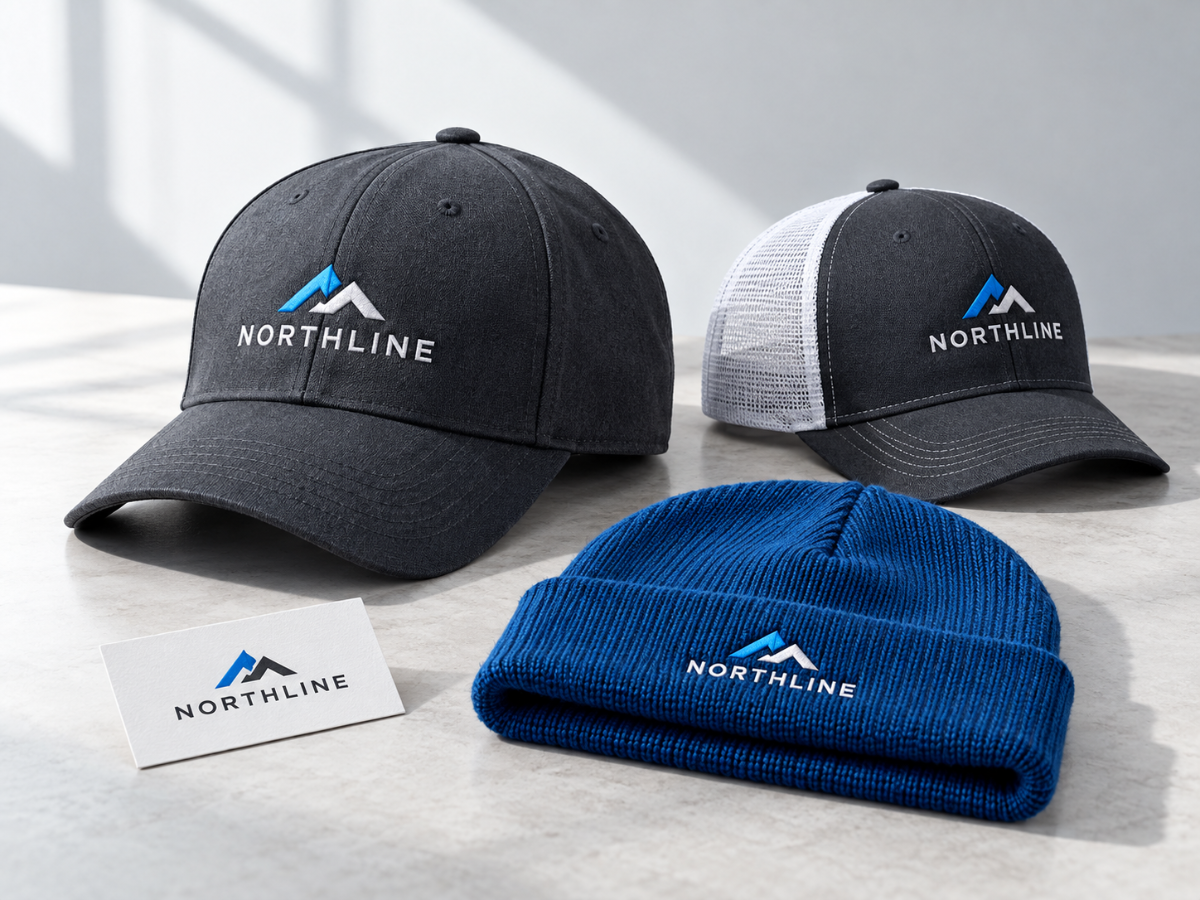
Branded headwear works best when the style fits the people wearing it. A relaxed dad cap, structured trucker hat and winter beanie may all carry the same logo, but they create very different looks and serve very different situations.
Choosing branded headwear can look simple until the business starts comparing actual styles.
A cotton twill cap feels different from a trucker cap.
A dad cap creates a more relaxed look than a structured snapback.
A Flexfit style solves a different fitting problem from an adjustable cap.
A beanie belongs to a different season and different type of uniform entirely.
Pryntco’s current headwear collection includes cotton twill caps, dad caps, retro and classic trucker caps, Flexfit caps, snapbacks, standard beanies, cuffed beanies and pom pom beanies.
All of those options can carry a brand, but the right choice begins with the wearer rather than the catalogue.
1. Why Does Headwear Style Matter?
A hat sits at eye level and becomes a noticeable part of the overall uniform or outfit.
The shape can make the brand feel:
- Casual
- Sporty
- Traditional
- Streetwear-oriented
- Workwear-oriented
- Seasonal
Choose a style that fits the organization rather than choosing only by logo space.
2. What Is the Quick Difference Between Caps, Trucker Hats and Beanies?
| Style | General Character | Good Starting Use |
|---|---|---|
| Traditional Cap | Versatile everyday branded headwear | Staff, teams, events, merchandise |
| Trucker Hat | Structured, casual and outdoor-oriented | Teams, events, outdoor businesses, merchandise |
| Beanie | Cold-weather branded layer | Winter staff apparel, gifts, seasonal merchandise |
3. When Is a Classic Cap a Good Choice?
A traditional cap is one of the most versatile options because it can fit many business environments.
It may work for:
- Outdoor staff
- Service teams
- Events
- Promotions
- Branded merchandise
4. What Is a Cotton Twill Cap Good For?
A cotton twill cap can create a familiar everyday look.
Pryntco’s current headwear category positions its cotton twill cap for:
- Staff apparel
- Events
- Promotions
- Branded merchandise
It is a practical starting point when the business does not need a highly specialized headwear style.
5. When Does a Dad Cap Make Sense?
A dad cap suits brands that want a softer, more relaxed casual appearance.
Pryntco’s current collection describes its dad cap as a relaxed low-profile option for casual staff apparel, gifts and branded merchandise.
This can work especially well for lifestyle-oriented branding.
6. What Makes a Trucker Cap Different?
Trucker caps usually combine a structured front with a mesh back.
That creates a more distinctive casual and outdoor-oriented appearance than a traditional all-fabric cap.
Pryntco currently carries both retro and classic trucker styles.
7. When Is a Trucker Hat a Strong Brand Choice?
It can suit businesses connected to:
- Outdoor work
- Automotive culture
- Trades
- Events
- Sports or recreation
- Casual branded merchandise
The style should feel authentic to the audience.
8. What Is a Snapback Best For?
A snapback can create a more structured and streetwear-influenced appearance.
Pryntco’s current headwear range includes a structured high-profile classic snapback designed for embroidered branding.
This may fit teams, promotions or merchandise programs where the shape itself is part of the look.
9. When Is a Flexfit Cap Useful?
A Flexfit cap can suit businesses that want a structured appearance with a stretch-fit approach.
Pryntco’s current Flexfit options are positioned for professional staff and team apparel.
The size range should be checked on the exact product rather than assumed to be universal.
10. When Should a Business Choose a Beanie?
Beanies make sense when the headwear also needs to function as a cold-weather layer.
They can work for:
- Outdoor staff
- Winter promotions
- Employee gifts
- Merchandise
- Seasonal event teams
11. What Is the Difference Between a Standard and Cuffed Beanie?
The visual difference comes largely from the lower edge and how the hat sits on the head.
A cuff creates a defined band that can provide a strong visual area for a compact embroidered logo.
Pryntco currently offers both a standard beanie and a cuffed beanie.
12. When Does a Pom Pom Beanie Work?
A pom pom beanie creates a more seasonal and playful winter appearance.
It can work for:
- Winter events
- Seasonal merchandise
- Sports teams
- Cold-weather promotions
It may be less appropriate for a very restrained corporate uniform.
13. Should Staff Headwear Be Different From Merchandise?
It can be.
Staff headwear needs to function as part of a uniform.
Merchandise needs to appeal to someone who chooses to wear it voluntarily.
A business may use a simple uniform cap and a more style-driven trucker cap or beanie for merchandise.
14. Which Headwear Works Best for Outdoor Staff?
A cap or trucker style may make sense for warmer conditions.
A beanie can provide a branded winter option.
The decision should reflect:
- Weather
- Job requirements
- Uniform policy
- Employee preference
15. Which Headwear Works Best at Events?
Caps can help an event team look coordinated without requiring an entirely separate uniform.
A distinctive headwear style can also make staff easier to identify in a crowd.
Match the hat to the event environment and the rest of the apparel.
16. Which Hat Is Best for Promotional Giveaways?
The best giveaway hat is the one recipients would realistically wear.
Think about:
- Audience age and style
- Season
- Event type
- Brand personality
A free hat that stays in a closet creates little brand visibility.
17. What Does Structured vs Unstructured Mean for the Look?
A structured cap maintains a more defined front shape.
A relaxed cap sits more naturally and can feel more casual.
Neither is automatically better.
The choice is primarily visual and should match the intended brand presentation.
18. Does Cap Profile Matter?
Yes.
Low-profile and high-profile styles create noticeably different silhouettes.
A brand built around casual understated apparel may prefer one, while a streetwear or team program may prefer another.
19. Does the Visor Shape Matter?
It contributes to the style.
Some caps are designed around a flatter visor while others feel more traditional.
Choose the overall hat style first rather than trying to redesign the silhouette after ordering.
20. Should Businesses Choose Adjustable or Sized Caps?
It depends on the program.
An adjustable one-size style can simplify distribution.
A size-based cap may provide another type of fit.
If employees are wearing the cap regularly, collect their preferences rather than assuming one option will suit everyone.
21. Why Is Embroidery Common for Branded Headwear?
Embroidery works naturally for compact logos on caps and beanies.
Pryntco’s current headwear catalogue is built around custom embroidery across its cap and beanie styles.
The result works best when the artwork is designed for the relatively small branding area.
22. What Kind of Logo Embroiders Well?
Simple shapes and clear lettering are usually easier to recognize.
Avoid relying on:
- Very thin lines
- Tiny text
- Extremely complicated detail
- Photographic effects
A headwear logo should still read clearly from normal viewing distance.
23. Should a Hat Logo Be Simplified?
Sometimes.
A company may use a simplified mark, initials or icon on headwear while retaining the complete logo on larger printed materials.
That is often stronger than shrinking a long horizontal logo until it becomes unreadable.
24. How Large Should the Embroidered Logo Be?
Large enough to read clearly but balanced with the front panel or cuff.
Do not assume the largest possible embroidery will look the most professional.
Use the actual decoration area of the selected product as the guide.
25. Should Text Be Added Under the Logo?
Only when it remains readable.
Small slogans, phone numbers and service lists can become cluttered quickly on headwear.
A strong logo alone is often enough.
26. How Should Hat Colour Be Chosen?
Choose a colour that:
- Works with the logo
- Fits the uniform
- Matches the brand personality
- Provides enough contrast
A neutral cap can often make a colourful logo easier to recognize.
27. Should the Hat Match the Shirt Exactly?
No.
The pieces need to coordinate, not necessarily match.
A charcoal cap may work well with a blue polo, for example, if the same logo and brand palette connect them.
28. How Should Headwear Fit Into a Staff Uniform?
Treat it as one part of the complete uniform.
Consider:
- Shirt colour
- Logo treatment
- Role
- Indoor or outdoor use
Do not choose headwear separately and then discover it conflicts with the rest of the apparel.
29. Can a Business Offer Several Hat Styles?
Yes.
A merchandise program might offer:
- Dad cap
- Trucker cap
- Beanie
while keeping the same brand mark across all three.
This gives customers style choices without fragmenting the identity.
30. Should Seasonal Headwear Be Planned Separately?
Yes.
A beanie may sell or perform well in winter but make little sense as the main summer event giveaway.
Build headwear around realistic season and usage patterns.
31. Should a Company Test a Hat Before a Large Staff Order?
When possible, evaluating the chosen style can reduce fit and appearance surprises.
Check:
- Shape
- Fit
- Logo scale
- Colour combination
32. How Should Headwear Quantities Be Planned?
Base quantities on the real program.
Staff apparel might follow employee count.
Event quantities might follow expected distribution.
Merchandise quantities require inventory planning.
33. Should Businesses Keep Extra Hats for New Staff?
A small reserve can be useful, especially for standard staff headwear.
Avoid over-ordering if:
- The logo may change
- The uniform may change
- The product is seasonal
34. How Should Headwear Coordinate With T-Shirts, Polos and Hoodies?
Use the same approved logo system while adapting it to the smaller embroidery area.
A large shirt graphic may become a simple logo on the cap.
Pryntco’s apparel catalogue can help businesses build a broader coordinated uniform or merchandise program.
35. What Should Be Checked Before Approving Headwear?
Confirm:
- Exact hat style
- Colour
- Size or fit option
- Correct logo
- Embroidery scale
- Quantity
Review the product configuration and artwork together.
36. What Are the Most Common Custom Headwear Mistakes?
Common problems include:
- Choosing a style that does not fit the audience.
- Shrinking a detailed logo too far.
- Adding tiny slogans or phone numbers.
- Ignoring fit.
- Ordering one seasonal style for every situation.
- Choosing a hat colour that reduces logo contrast.
- Failing to coordinate the hat with the rest of the uniform.
37. Which Custom Hat Is the Best Starting Point?
For a versatile staff program, begin with a simple cap.
Choose a dad cap when the brand is more relaxed.
Choose a trucker or snapback when the shape supports the company’s style.
Choose a Flexfit option when that fit system suits the team.
Add a beanie when cold-weather use is genuinely relevant.
38. How Should You Choose Branded Headwear for Your Business?
Start with the person wearing it.
Think about the job, season, brand personality and whether the hat is part of a uniform, promotion or merchandise program.
Then choose the silhouette.
A classic cap offers broad versatility. A dad cap feels more relaxed. A trucker hat brings a distinctive structured and casual look. A snapback can fit a more streetwear-driven identity. A beanie works naturally as cold-weather apparel.
After selecting the style, simplify the artwork for embroidery.
Use a logo that remains recognizable at the final size and choose a hat colour that creates good contrast.
Businesses can compare Pryntco’s current options through the custom headwear catalogue.
For help selecting or branding headwear, contact Pryntco or request a custom quote.

